Stealthy, powerful, and rarely seen — but knowing what to do could save your life.
The Animal
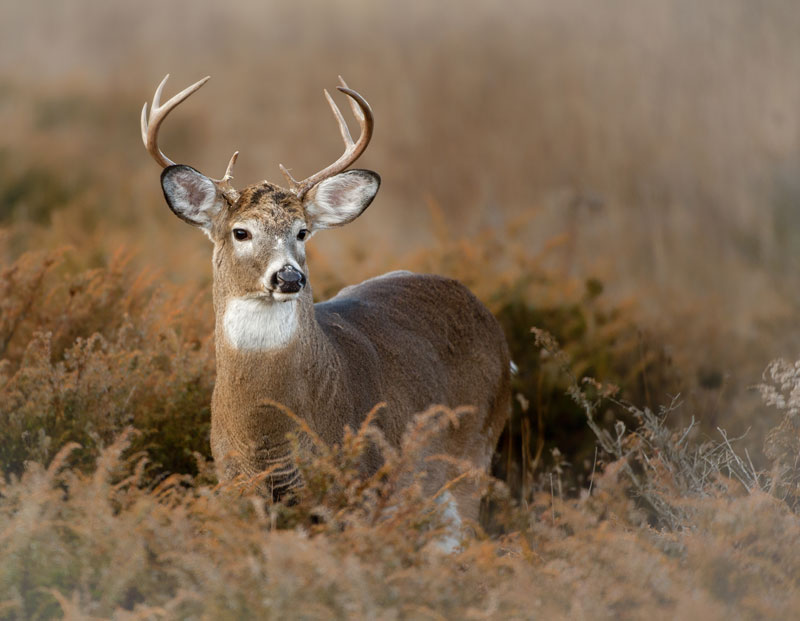
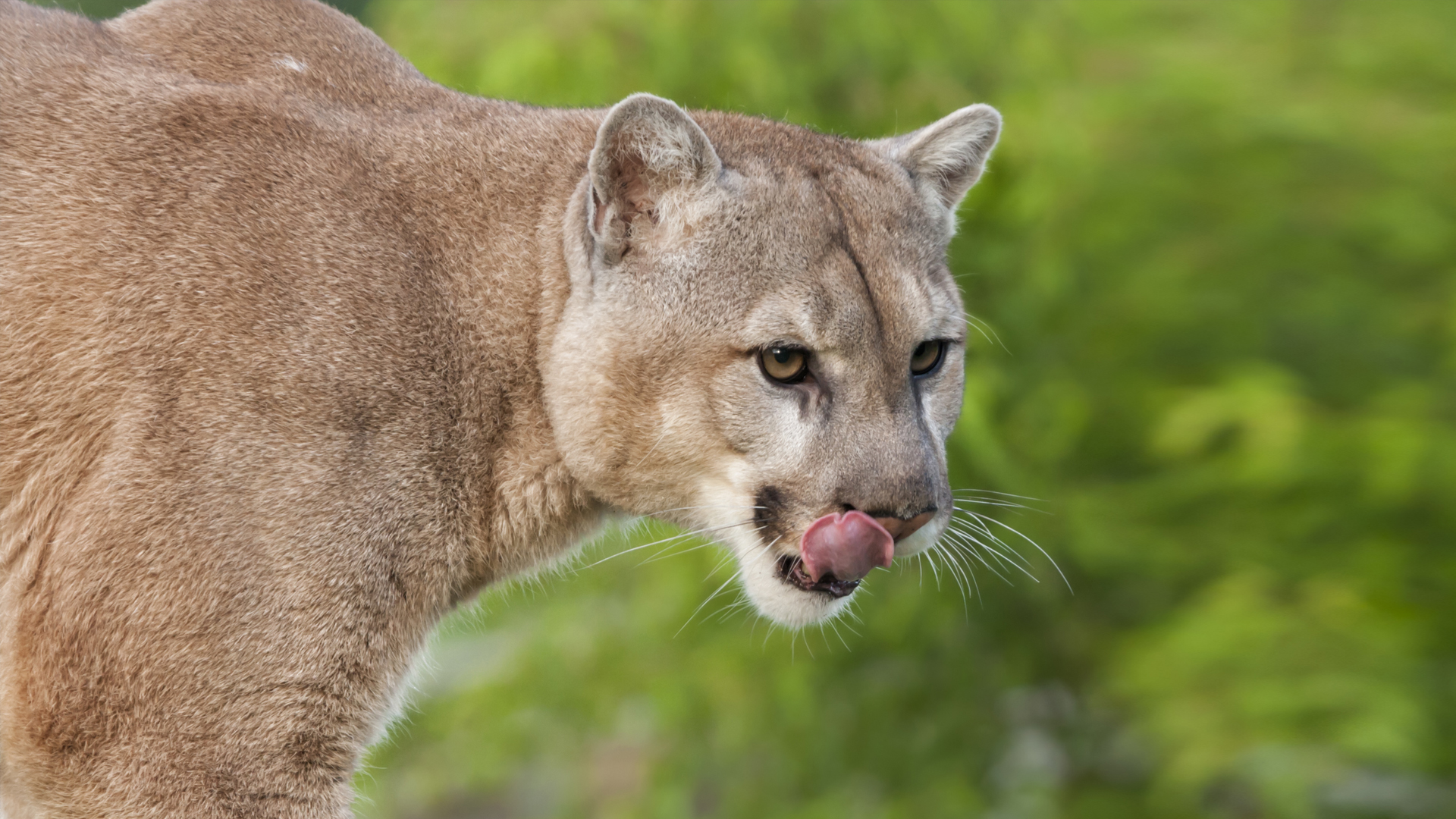
The cougar — also known as the mountain lion or puma — is Canada's largest wild cat. Found primarily in BC and Alberta, with scattered populations in other provinces, the cougar is an ambush predator of extraordinary power and stealth. They are solitary and territorial, requiring vast home ranges. Their primary prey is deer, but they will take elk, bighorn sheep, and smaller animals. Cougars are masters of concealment — most people who live in cougar country never see one, even when cougars are watching them.
Why Conflict Happens
Cougar-human conflicts are rare but can be severe. Most incidents involve young, dispersing cougars seeking new territory, or older animals that are injured or unable to hunt their natural prey. The expansion of residential development into cougar habitat, combined with abundant deer populations in suburban areas, is bringing cougars into closer contact with people than ever before.
Guidance by Audience
🥾 Hikers & Trail Users
- →Never hike alone in cougar country. Travel in groups and make noise.
- →Keep children close and never let them run ahead on a trail.
- →If you encounter a cougar: do not run. Running triggers a predatory response.
- →Make yourself look as large as possible. Raise your arms, open your jacket, pick up children.
- →Maintain eye contact. Speak firmly and loudly. Back away slowly.
- →If the cougar attacks: fight back aggressively. Use rocks, sticks, or any available object. Aim for the nose and eyes.
- →Carry bear spray — it is effective against cougars.
Other Species in the Guide