The most adaptable predator in Canada — now living in every major city.
The Animal
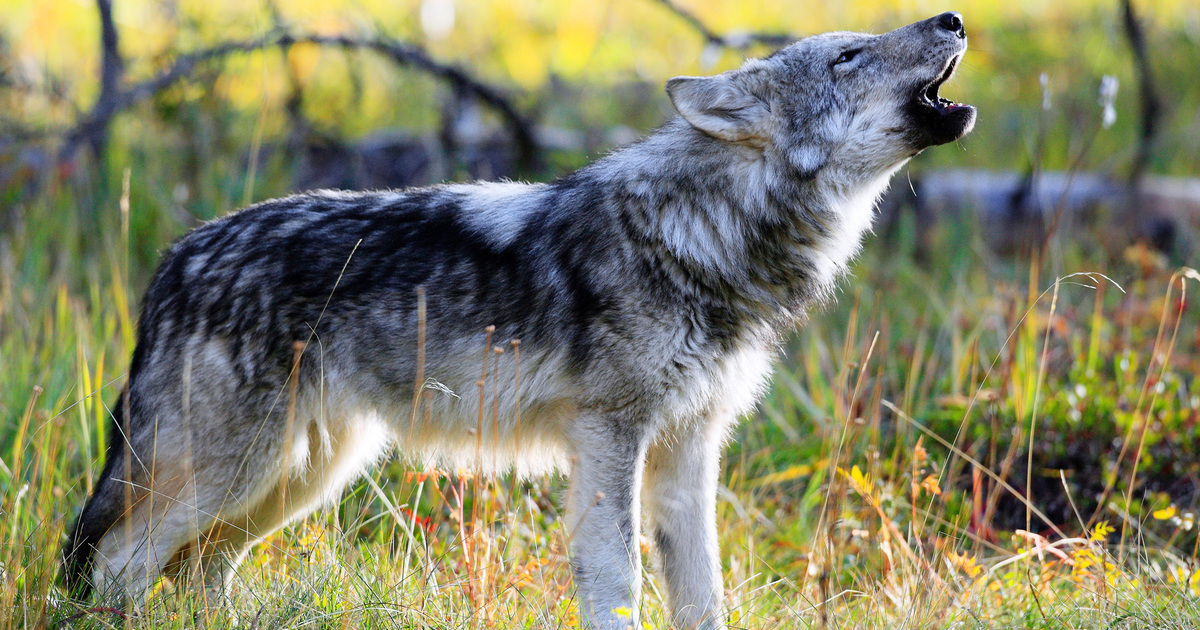
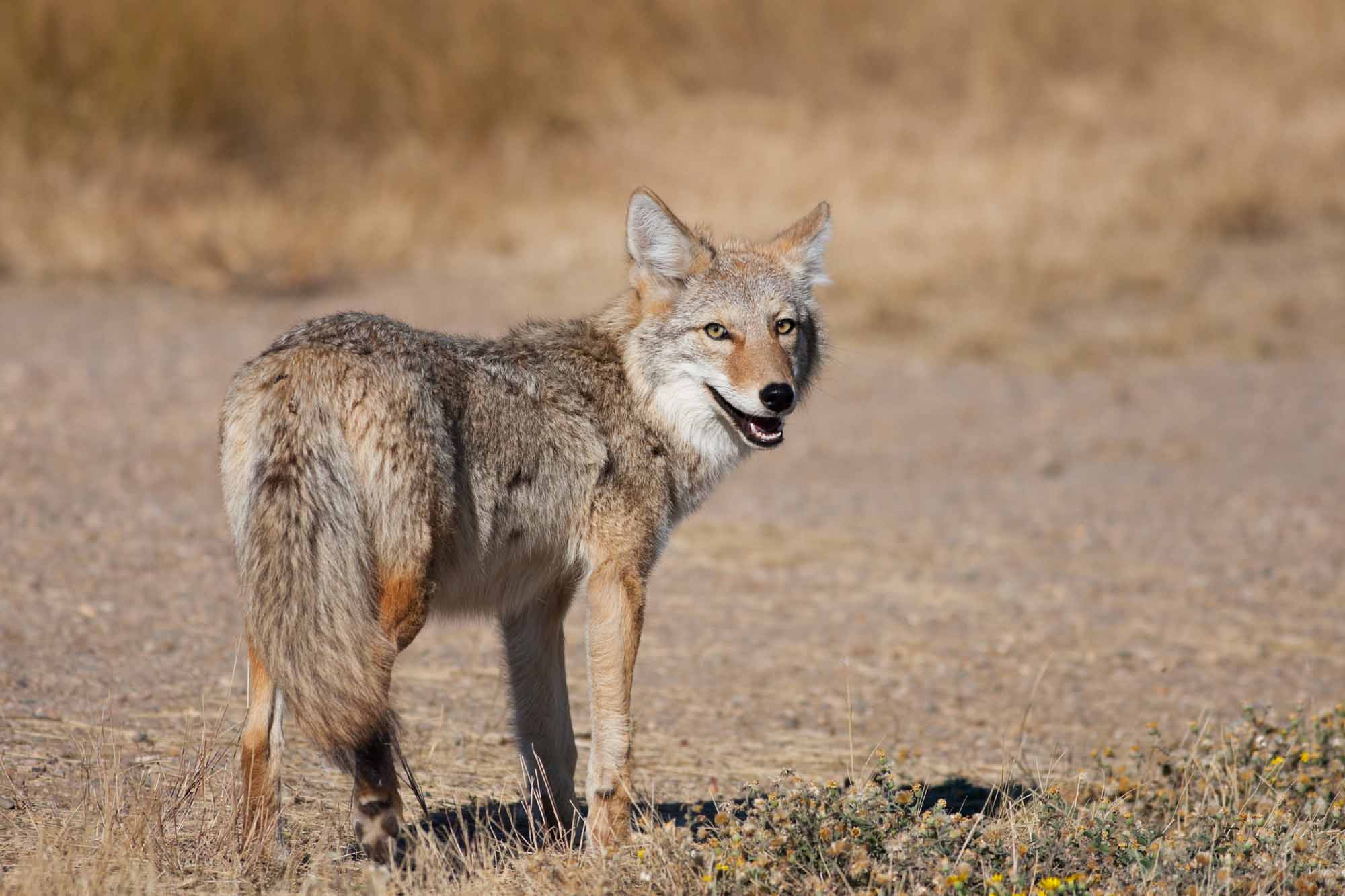
The coyote is one of the most successful and adaptable animals on the continent. Originally a creature of the plains, the coyote has expanded its range to cover all of Canada, from coastal rainforests to arctic tundra — and into the heart of every major city. They are intelligent, social animals that live in family groups and communicate through an elaborate repertoire of howls, yips, and barks. Urban coyotes have learned to exploit the extraordinary abundance of food that human settlements provide.
Why Conflict Happens
Urban coyote conflict is driven almost entirely by habituation — the gradual erosion of a coyote's natural fear of humans through repeated exposure to people and human food sources. Once habituated, coyotes may approach people, stalk pets, and exhibit bold or aggressive behaviour, particularly during denning season in spring when they are protecting pups.
Guidance by Audience
🏠 Homeowners & Urban Residents
- →Never feed coyotes — directly or indirectly. This is the most important rule.
- →Secure garbage and compost in wildlife-resistant containers.
- →Keep cats indoors. Unsupervised cats are easy prey for urban coyotes.
- →Supervise small dogs in your yard, especially at dawn, dusk, and overnight.
- →Haze coyotes that approach your property: yell, wave your arms, make loud noises. Reinforce their fear of humans.
- →Remove fallen fruit, bird seed, and pet food from your yard.
Other Species in the Guide