A keystone predator that shapes entire ecosystems — and occasionally, your livestock.
The Animal
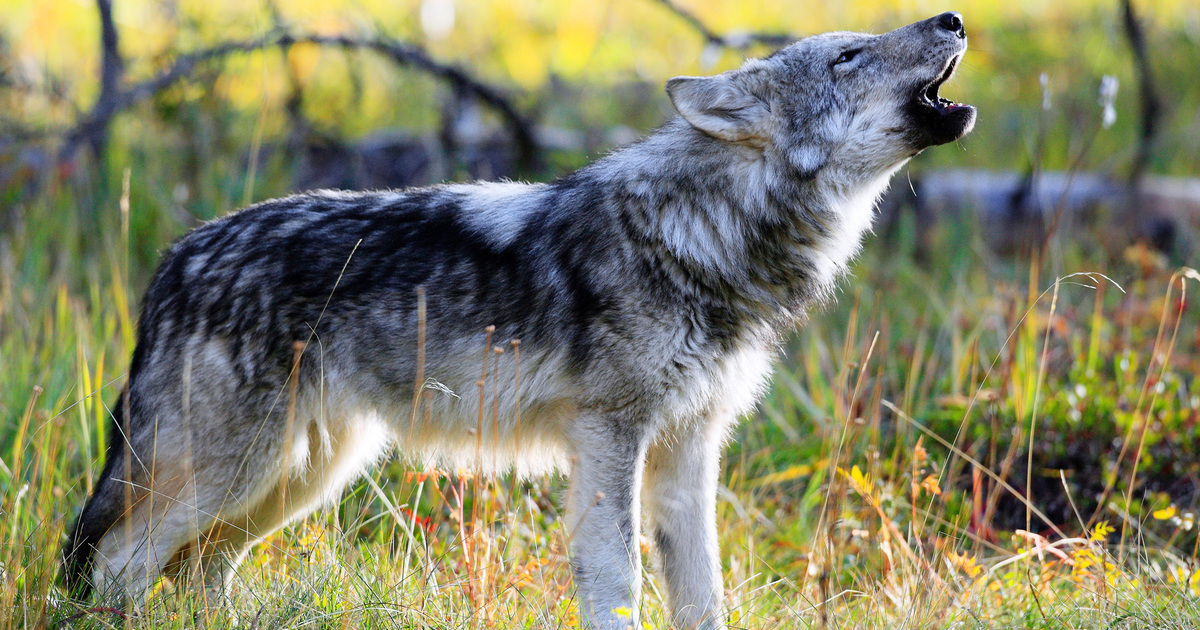
The wolf is one of the most ecologically important animals in Canada. Found in every province and territory, wolves live and hunt in complex social packs led by an alpha pair. Their predation on large ungulates — deer, moose, elk, caribou — helps regulate prey populations and maintain the health of ecosystems. The reintroduction of wolves to Yellowstone National Park demonstrated dramatically how a single apex predator can transform an entire landscape through what ecologists call a 'trophic cascade.'
Why Conflict Happens
Wolf-human conflict is most common in rural and remote areas where wolf territories overlap with livestock operations. Livestock depredation — particularly of cattle, sheep, and horses — is the primary form of conflict. In areas where wolves have become habituated to humans through feeding or proximity to settlements, bolder behaviour can occur.
Guidance by Audience
🐄 Ranchers & Farmers
- →Use livestock guardian animals — Great Pyrenees dogs, donkeys, or llamas are effective deterrents.
- →Deploy fladry — rope with flapping flags — around pastures to create a visual deterrent.
- →Bring vulnerable animals (calves, lambs, foals) into secure enclosures at night.
- →Remove livestock carcasses promptly to avoid attracting wolves and other predators.
- →Contact your provincial wildlife agency about livestock depredation compensation programs.
Other Species in the Guide