The largest deer in the world — and a serious road hazard across Canada.
The Animal
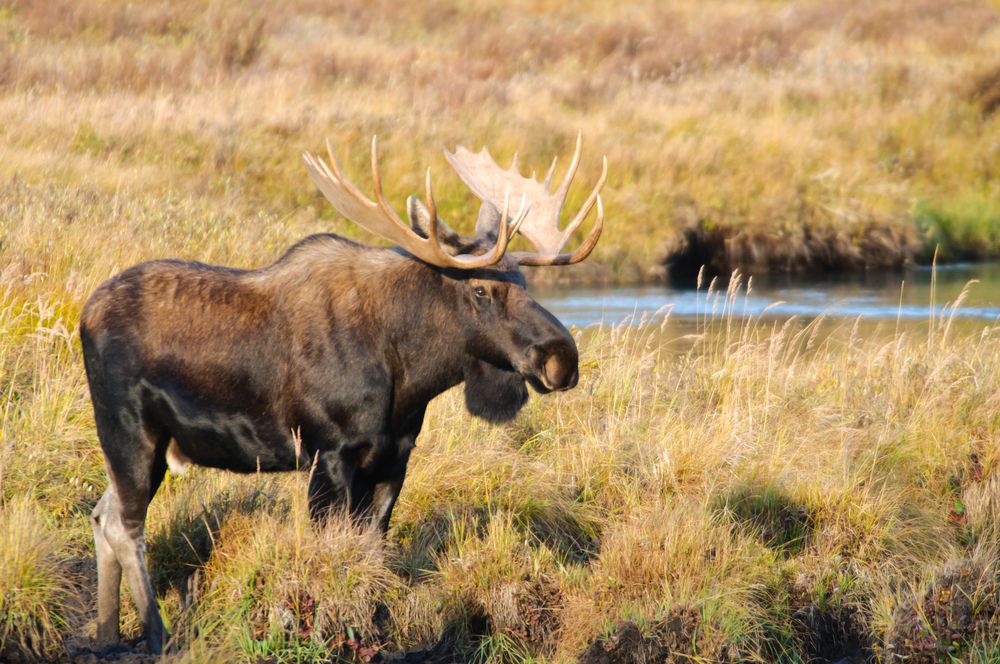
The moose is the largest member of the deer family and one of Canada's most iconic animals. Found in boreal forests from Newfoundland to the Yukon, moose are solitary animals that prefer wetlands, lakeshores, and young forest. Despite their enormous size — bulls can weigh over 700 kg — moose are surprisingly quiet and can appear suddenly from dense bush.
Why Conflict Happens
Vehicle collisions are the primary form of moose-human conflict and are far more dangerous than deer collisions due to the animal's height and mass. A moose's centre of gravity is at windshield height, meaning a collision often results in the animal coming through the windshield. Moose are also unpredictable and can be aggressive, particularly cows with calves and bulls during the fall rut.
Guidance by Audience
🚗 Drivers
- →Moose are especially active at dawn, dusk, and at night. Reduce speed in moose country after dark.
- →Use high beams when safe to do so — moose eyes do not reflect light well.
- →Moose often stand in the road and do not move quickly. Approach slowly and wait.
- →A moose collision is often fatal. If unavoidable, brake as hard as possible and duck below the dashboard.
- →Watch for moose near water bodies, particularly in spring when they seek aquatic vegetation.
Other Species in the Guide