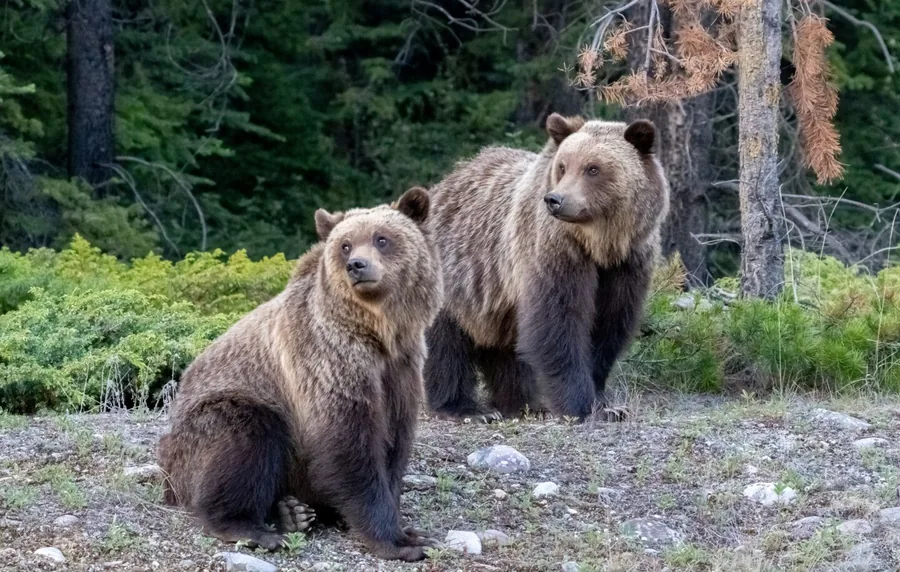
An apex predator and keystone species — treat every encounter with absolute respect.
The Animal
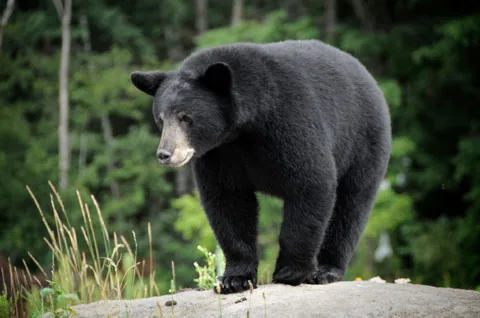
The grizzly bear is one of North America's most iconic and ecologically vital animals. Found in BC, Alberta, the Yukon, and the Northwest Territories, grizzlies are distinguished from black bears by their prominent shoulder hump, longer claws, and dish-shaped facial profile. They are omnivores with a highly seasonal diet — from grasses and roots in spring to berries and salmon in late summer and fall. Their role in distributing nutrients across the landscape, particularly through salmon carcasses, makes them a keystone species whose health reflects the health of entire ecosystems.
Why Conflict Happens
Grizzly conflicts are often more serious than black bear conflicts due to their size, strength, and more assertive defensive behaviour. Female grizzlies with cubs are responsible for a significant proportion of defensive attacks. Surprise encounters at close range — particularly near streams where the sound of water masks noise — are a primary cause of conflict. Food-conditioning and habituation, driven by the same attractants as black bears, also play a significant role.
Guidance by Audience
🥾 Hikers & Backcountry Users
- →Make continuous noise, especially near streams, in dense brush, and around corners.
- →Travel in groups of four or more — this is the single most effective safety measure.
- →Carry bear spray in an accessible holster and practice the draw before you need it.
- →Never run from a grizzly. Stand your ground, speak calmly, and back away slowly.
- →If a grizzly makes contact in a defensive encounter: play dead — face down, hands protecting your neck, legs spread to make it harder to flip you over. Stay still until the bear has left the area.
- →If a grizzly attacks at night or stalks you: this is a predatory attack. Fight back aggressively.
Other Species in the Guide