Clever, adaptable, and utterly at home in your neighbourhood.
The Animal
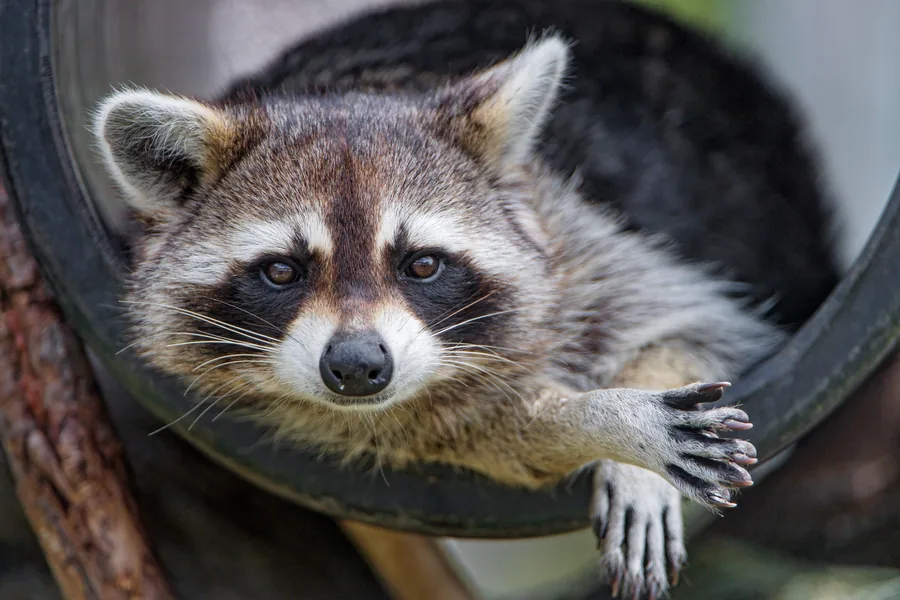
The raccoon is one of the most successful urban wildlife species in the world. Found across southern Canada from BC to the Maritimes, raccoons have thrived in cities and suburbs, exploiting the extraordinary abundance of food and shelter that human settlements provide. They are highly intelligent, dexterous, and adaptable — capable of opening latches, climbing almost any surface, and solving problems that would stump many other animals.
Why Conflict Happens
Raccoon conflict is primarily a nuisance issue — raided garbage, damaged gardens, and nesting in attics, chimneys, and crawl spaces. However, raccoons are also a significant public health concern. They are the primary vector for raccoon roundworm (Baylisascaris procyonis), a potentially serious parasite, and can carry rabies, leptospirosis, and other diseases.
Guidance by Audience
🏠 Homeowners
- →Use wildlife-resistant garbage containers with locking lids.
- →Do not leave pet food outdoors.
- →Secure compost in a wildlife-resistant bin.
- →Cap chimneys and seal potential entry points to attics and crawl spaces.
- →Remove bird feeders or use raccoon-proof designs.
- →If raccoons are nesting in your home, contact a licensed wildlife removal company.
Other Species in the Guide